
About slovlog
This blog documents our journey across Slovenia — a compact European jewel where towering limestone peaks, subterranean karst caves, lush wine regions, and the Adriatic sea sit just hours apart.
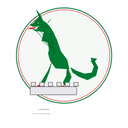
Why the Dragon?
According to Greek myth, Jason and the Argonauts fled across the Danube and Sava rivers to Ljubljana, slaying a fierce dragon in the marshlands. Today, the dragon is the proud symbol of Ljubljana — guarding the bridges and representing courage, protection, and Slovenian resilience.
Our Travel Route
Ljubljana
Capital & CultureThe Dragon City & Plečnik's Masterpieces
Exploring the Dragon Bridge (Zmajski most), the Triple Bridge, Tivoli park, and the funicular ride up to Ljubljana Castle overlooking red baroque roofs.
Lake Bled & Lake Bohinj
Alpine LakesAlpine Glacial Lakes & Triglav National Park
Rowing traditional wooden pletna boats to the island church of Lake Bled, eating Bled cream cake (kremna rezina), and hiking the pristine wild shores of Lake Bohinj.
Vršič Pass & Soča Valley
Mountain Pass50 Hairpin Turns to Emerald Waters
Driving across the historic 1,611m mountain pass in the Julian Alps, plunging into the surreal emerald-turquoise waters of the glacial Soča river.
Postojna & Škocjan Caves
Karst UnderworldSubterranean Karst Canyons
Descending into UNESCO-protected underground river gorges and soaring stalactite caverns carved through Slovenian limestone.
Piran & the Adriatic Coast
Adriatic SeaVenetian Bells & Coastal Sunsets
Walking cobblestone alleys of medieval Piran, climbing Saint George's belltower overlooking the Gulf of Trieste, and tasting fresh seafood on Tartini Square.
Slovenia Travel Takeaways
- Eco-conscious: Ljubljana was named Europe's Green Capital and over 60% of the entire country is blanketed in protected forest.
- Vignette reminder: Driving on Slovenian motorways requires an electronic vignette (e-vinjeta) purchased online before driving.
- Tap water: Slovenia has some of the purest, tastiest mountain drinking water in the world — free fountains are everywhere.